

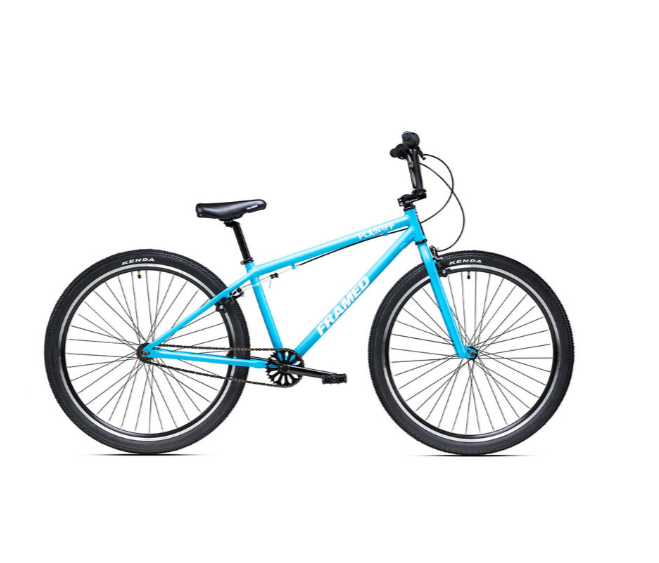
Framed Men’s Plaintiff 29″ BMX Bike
- The Framed Plaintiff BMX Bike has a 6061 alloy frame and features a traditional freestyle BMX geometry that’s carried by 29″ alloy wheels. The fork is 100% chromoly which helps smooth out the bumps and makes for a more compliant ride at higher speeds. The Plaintiff stays true to its BMX roots, using a single rear U-brake that makes adjustments on the fly easy.
Discovering Why These Wheels Are Changing the Game for Mountain Bikers and Urban Riders Alike
The world of mountain biking has witnessed countless innovations over the decades, but few have been as transformative as the emergence of Framed Bikes 29 inch models. These magnificent machines represent more than just another wheel size option—they embody a philosophy of conquering terrain with confidence, rolling over obstacles with ease, and delivering an riding experience that bridges the gap between professional performance and accessible adventure.
When you first encounter a Framed Bikes 29 inch model, the immediate impression is one of purposeful design meeting practical engineering. The larger wheel diameter creates a commanding presence that hints at the capabilities lying beneath the surface. But this isn’t merely about aesthetics or intimidation factor; it’s about fundamentally reimagining how a bicycle interacts with the world beneath it.
Understanding the Essence of Framed Bikes with 29-Inch Wheels
Framed Bikes 29 inch models represent a specific category of bicycles that have gained tremendous popularity among both recreational and serious cyclists. These bikes feature wheels that measure 29 inches in diameter, which translates to approximately 736 millimeters for those who prefer metric measurements. This wheel size sits at the larger end of the spectrum for mountain bikes and represents what many consider the sweet spot between rolling efficiency and maneuverability.
The concept behind Framed Bikes 29 inch models stems from the recognition that larger wheels offer distinct advantages in various riding conditions. When you roll over roots, rocks, and other trail obstacles, the larger diameter means the wheel makes contact at a less severe angle, essentially “flowing” over impediments rather than jarring against them. This creates a smoother ride experience and helps maintain momentum in challenging terrain.
Framed, as a brand, has positioned itself uniquely in the cycling market by focusing on delivering high-quality bikes at accessible price points. Their 29 inch offerings reflect this philosophy, incorporating features typically found on more expensive models while maintaining affordability that opens the door for a broader range of cyclists to experience the benefits of larger wheels.
The Marketplace for Framed 29-Inch Adventures
Finding Framed Bikes 29 inch models requires understanding the brand’s distribution strategy and retail presence. Unlike some bicycle manufacturers that rely heavily on traditional bike shop networks, Framed has embraced a more direct-to-consumer approach while still maintaining relationships with select retailers.
The primary avenue for purchasing Framed Bikes 29 inch models is through online retailers and the brand’s own digital storefront. This approach allows Framed to maintain competitive pricing by reducing the markup associated with traditional retail chains. Many cyclists appreciate this direct relationship, as it often means better customer service and more detailed product information.
However, prospective buyers shouldn’t overlook local bike shops that may carry Framed products. Some independent retailers have recognized the value proposition that Framed Bikes 29 inch models offer and have added them to their inventory. These shops often provide the added benefit of professional assembly, initial tuning, and ongoing maintenance support that can be invaluable, especially for newer cyclists.
The seasonal nature of bicycle sales means that timing can significantly impact both availability and pricing. Framed Bikes 29 inch models often see the best selection during spring months when retailers are stocking up for the peak riding season, while late fall and winter might offer better deals as shops clear inventory.
Investment Considerations for 29-Inch Framed Bikes
The financial aspect of acquiring Framed Bikes 29 inch models reflects the brand’s commitment to value-oriented cycling. Entry-level models typically start in the range that makes mountain biking accessible to enthusiasts who might be priced out of premium brands, while still delivering components and construction quality that can handle serious trail demands.
Mid-range Framed Bikes 29 inch models occupy a sweet spot in the market, offering upgraded components, better suspension systems, and enhanced frame materials without reaching the stratospheric pricing of boutique brands. These bikes often feature hydraulic disc brakes, quality suspension forks, and drivetrain components from respected manufacturers like Shimano or SRAM.
At the higher end of the Framed Bikes 29 inch spectrum, you’ll find models that compete directly with offerings from much more expensive brands. These bikes might feature full suspension systems, carbon fiber components, or specialized frame geometries designed for specific riding disciplines. The value proposition remains strong even at this level, as Framed’s direct-to-consumer model means less markup between manufacturer and rider.
The total cost of ownership extends beyond the initial purchase price. Framed Bikes 29 inch models benefit from using standard components that are widely available and competitively priced. This means maintenance costs remain reasonable, and upgrades can be implemented gradually as riders develop their skills and preferences.
Gateway to Adventure: Beginner-Friendly 29-Inch Options
The question of whether Framed Bikes 29 inch models suit beginning cyclists requires examining both the technical characteristics of these bikes and the typical needs of new riders. The larger wheel size actually offers several advantages that can help beginners build confidence and skills more effectively.
Framed Bikes 29 inch models provide enhanced stability compared to smaller wheel sizes, which can be particularly beneficial for riders still developing their balance and bike handling skills. The larger contact patch with the ground creates a more planted feeling, especially when navigating loose surfaces or mild technical terrain. This stability translates to increased confidence, which is crucial for beginners who might otherwise be intimidated by challenging trail conditions.
The rollover capability of 29 inch wheels means that beginning riders encounter fewer jarring impacts from roots, rocks, and other trail features. This smoother ride experience reduces fatigue and allows new cyclists to focus on developing their technique rather than fighting against constant impacts and vibrations. The momentum-maintaining characteristics of larger wheels also mean that beginners can carry speed through technical sections more easily, even if their line choice isn’t perfect.
However, it’s important to acknowledge that Framed Bikes 29 inch models do require some physical considerations for beginners. The larger wheels create bikes with higher standover heights, which might not suit shorter riders. Additionally, the increased wheel weight can make initial acceleration feel sluggish compared to smaller wheel sizes, though this becomes less noticeable as riders develop leg strength and cycling fitness.
The Technical Advantages of 29-Inch Wheel Technology
The benefits of 29 inch wheels on Framed Bikes extend far beyond simple marketing claims, rooted instead in fundamental physics and geometry principles. Understanding these advantages helps explain why so many cyclists have embraced this wheel size and why Framed Bikes 29 inch models have gained such a dedicated following.
Rolling efficiency stands as perhaps the most significant advantage of Framed Bikes 29 inch models. The larger wheel diameter means that for any given RPM of the wheel, the bike covers more ground. This translates directly to higher speeds with the same pedaling effort, or alternatively, the ability to maintain desired speeds with less energy expenditure. On long rides or when covering significant distances, this efficiency advantage becomes particularly noticeable.
The contact angle between wheel and obstacle represents another crucial advantage of 29 inch wheels. When encountering a rock, root, or other trail feature, a larger wheel approaches the obstacle at a less severe angle. This geometric reality means that Framed Bikes 29 inch models roll over impediments more easily, requiring less energy to maintain momentum and creating a smoother overall ride experience.
Traction characteristics also favor 29 inch wheels, particularly on climbs and in loose conditions. The larger contact patch between tire and ground provides more grip, while the wheel’s tendency to bridge small gaps and irregularities means that more of the tire remains in contact with solid surfaces. For Framed Bikes 29 inch models, this translates to improved climbing ability and better control in challenging conditions.
The gyroscopic effect of larger wheels contributes to the stability that many riders notice when transitioning to Framed Bikes 29 inch models. While this effect can make quick direction changes require slightly more effort, it provides a planted, confident feeling that many cyclists find reassuring, especially when riding at higher speeds or on technical terrain.
Model Lineup: Exploring Framed’s 29-Inch Offerings
The range of Framed Bikes 29 inch models reflects the brand’s understanding that different riders have varying needs, preferences, and intended uses. From cross-country race-inspired designs to robust trail bikes capable of handling aggressive terrain, Framed’s lineup aims to provide options for diverse cycling disciplines.
Entry-level Framed Bikes 29 inch hardtail models typically focus on delivering essential mountain biking capabilities at accessible price points. These bikes often feature aluminum frames with modern geometry, quality suspension forks, and reliable component groups that can handle regular trail use. The emphasis remains on providing a solid foundation for riders to develop their skills while experiencing the benefits of 29 inch wheels.
Trail-oriented Framed Bikes 29 inch models step up the capability level with more aggressive geometry, increased suspension travel, and components selected for durability under demanding conditions. These bikes often feature dropper seat posts, wider handlebars, and tire clearances designed for more aggressive tread patterns. The frame geometry typically balances climbing efficiency with descending confidence.
Cross-country focused Framed Bikes 29 inch models prioritize weight savings and efficiency for riders interested in racing or fast-paced trail riding. These bikes might feature carbon fiber frames or components, lightweight wheels, and component selections optimized for power transfer and climbing performance. The geometry tends toward more aggressive positioning that favors aerodynamics and pedaling efficiency.
Full suspension Framed Bikes 29 inch models represent the pinnacle of the brand’s mountain bike offerings, incorporating rear suspension designs that complement the front fork for maximum comfort and control. These bikes typically feature more complex frame designs, sophisticated suspension linkages, and component specifications that reflect their intended use on challenging terrain.
Mountain Biking Excellence with 29-Inch Framed Bikes
The question of whether Framed Bikes 29 inch models excel in mountain biking applications requires examining both the technical characteristics of these bikes and the specific demands of various mountain biking disciplines. The evidence strongly suggests that these bikes not only perform well in mountain biking scenarios but often exceed expectations set by their price points.
For cross-country mountain biking, Framed Bikes 29 inch models offer compelling advantages. The rolling efficiency of larger wheels means less energy expenditure over long distances, while the improved traction helps on technical climbs. The ability to maintain momentum through rough sections reduces the energy-sapping effects of constant acceleration and deceleration that smaller wheels might require.
Trail riding represents perhaps the ideal application for Framed Bikes 29 inch models. The balance between climbing efficiency and descending capability that characterizes modern trail bikes aligns perfectly with the characteristics of 29 inch wheels. These bikes can handle the varied terrain typical of trail riding, from smooth climbs to technical descents, while providing the versatility that trail riders demand.
More aggressive mountain biking disciplines reveal both the strengths and limitations of Framed Bikes 29 inch models. While the larger wheels excel at rolling over obstacles and maintaining momentum, they can feel less nimble in tight switchbacks or when making quick direction changes. However, many riders find that the increased stability and rollover capability more than compensate for any reduction in agility.
The suspension characteristics of Framed Bikes 29 inch models play a crucial role in their mountain biking performance. The larger wheels naturally smooth out small trail imperfections, working in conjunction with suspension systems to provide controlled, comfortable ride quality. This synergy between wheel size and suspension often results in bikes that feel more capable than their specifications might suggest.
Comparing 29-Inch and 27.5-Inch Framed Bikes
The comparison between Framed Bikes 29 inch models and their 27.5-inch counterparts represents one of the most discussed topics in contemporary mountain biking. Understanding the practical differences helps riders make informed decisions based on their specific needs and preferences rather than following trends or marketing claims.
Framed Bikes 29 inch models typically demonstrate superior rolling efficiency compared to 27.5-inch alternatives. The larger wheel diameter means greater distance covered per wheel revolution, translating to higher speeds with equivalent effort or reduced energy expenditure at similar speeds. This advantage becomes particularly noticeable during long rides or when maintaining speed on varied terrain.
Obstacle negotiation favors 29 inch wheels due to the improved approach angle and increased wheel circumference. When encountering rocks, roots, or other trail features, Framed Bikes 29 inch models tend to roll over impediments more smoothly, requiring less dramatic weight shifts or momentum changes. This characteristic can significantly impact ride quality on technical terrain.
However, 27.5-inch wheels retain advantages in certain scenarios that some riders strongly prefer. The smaller diameter typically results in lighter overall wheel weight, which can make acceleration feel more responsive and climbing more efficient in certain conditions. Additionally, the reduced gyroscopic effect can make quick direction changes feel more immediate and natural.
Framed Bikes 29 inch models generally provide increased stability, particularly at higher speeds or on rough terrain. The larger wheel contact patch and gyroscopic effect create a planted feeling that many riders find confidence-inspiring. This stability advantage often translates to improved control and reduced fatigue during long or technical rides.
Frame geometry considerations also differentiate 29 inch and 27.5-inch options. Framed Bikes 29 inch models typically require specific geometry adaptations to accommodate the larger wheels while maintaining proper handling characteristics. These adaptations might include longer chainstays, modified head tube angles, or adjusted bottom bracket heights.
Sizing Considerations: 29-Inch Bikes for Taller Riders
The relationship between rider height and Framed Bikes 29 inch models involves several interconnected factors that go beyond simple standover clearance. While larger wheels do create bikes with increased standover heights, the benefits often extend particularly well to taller riders who might find smaller wheel sizes less than optimal.
Taller riders often experience improved proportionality with Framed Bikes 29 inch models. The larger wheels better match the scale of longer-limbed riders, creating bikes that feel more balanced and natural. This proportional relationship can significantly impact comfort and control, particularly during longer rides or more technical terrain.
The increased wheelbase typical of Framed Bikes 29 inch models often benefits taller riders by providing more stable handling characteristics. Longer riders sometimes find shorter wheelbase bikes feel twitchy or unstable, particularly at higher speeds. The geometry adaptations required for 29 inch wheels often create platforms that feel more controlled and predictable for taller cyclists.
Standover height considerations remain important, though modern frame designs have largely addressed the concerns that existed with early 29 inch implementations. Framed Bikes 29 inch models typically incorporate sloping top tubes and other design elements that maintain reasonable standover clearances even with larger wheels. However, riders on the shorter end of the height spectrum should still verify adequate clearance.
The reach and stack measurements of Framed Bikes 29 inch models often accommodate taller riders more effectively than smaller wheel alternatives. The frame geometry modifications required for larger wheels frequently result in longer reach measurements and modified stack heights that better suit longer torsos and arms.
Materials and Construction of Framed 29-Inch Bikes
The construction materials and methods used in Framed Bikes 29 inch models reflect the brand’s commitment to delivering quality and durability at accessible price points. Understanding these materials helps riders appreciate the engineering decisions that contribute to the bikes’ performance characteristics and longevity.
Aluminum alloy represents the primary frame material for most Framed Bikes 29 inch models, chosen for its excellent strength-to-weight ratio and proven durability in mountain biking applications. The specific aluminum alloys used typically fall into the 6000 series, which offers good weldability and corrosion resistance while maintaining the stiffness needed for efficient power transfer and responsive handling.
The frame construction techniques employed on Framed Bikes 29 inch models often include advanced manufacturing processes such as hydroforming and butted tubing. Hydroforming allows for complex tube shapes that optimize strength and stiffness while minimizing weight, particularly important given the increased structural demands of accommodating 29 inch wheels. Butted tubing varies wall thickness along tube lengths, placing material where strength is needed while removing excess weight elsewhere.
Some higher-end Framed Bikes 29 inch models incorporate carbon fiber construction, either in complete frames or in specific components. Carbon fiber offers superior stiffness-to-weight ratios compared to aluminum and can be engineered to provide specific ride characteristics. The material’s vibration-damping properties complement the smooth ride quality associated with 29 inch wheels.
The welding quality and joint design of Framed Bikes 29 inch models typically exceed expectations for their price categories. Clean, consistent welds not only contribute to frame strength and longevity but also reflect the manufacturing attention to detail that supports the brand’s quality reputation. Gussets and reinforcement in high-stress areas demonstrate understanding of the forces generated by larger wheel sizes.
Component selection for Framed Bikes 29 inch models emphasizes proven reliability and performance rather than exotic materials or unnecessary complexity. This approach ensures that riders receive components capable of handling the demands of mountain biking while maintaining serviceability and replacement part availability.
Real-World Performance: Reviews and User Experiences
The accumulated reviews and user experiences with Framed Bikes 29 inch models provide valuable insights into how these bikes perform in real-world conditions beyond marketing claims and specifications. These firsthand accounts often reveal both the strengths and limitations that only become apparent through extended use.
Long-term owners of Framed Bikes 29 inch models frequently praise the bikes’ durability and reliability. Many reviews highlight the frames’ ability to withstand regular trail abuse while maintaining structural integrity and performance characteristics. This durability often exceeds expectations given the bikes’ price points, contributing to strong owner satisfaction and brand loyalty.
The ride quality of Framed Bikes 29 inch models receives consistent positive feedback, particularly regarding the smooth feel over rough terrain and the confidence-inspiring stability at speed. Riders transitioning from smaller wheel sizes often comment on the reduced fatigue and improved comfort during longer rides, attributing these benefits to the larger wheels’ ability to smooth out trail imperfections.
Component performance on Framed Bikes 29 inch models generally meets or exceeds reviewer expectations, though some note that certain components might benefit from upgrades as rider skills and demands increase. The baseline component specifications typically provide reliable performance for recreational riding while offering clear upgrade paths for more demanding applications.
Some reviews highlight the climbing performance of Framed Bikes 29 inch models as particularly impressive, noting improved traction and momentum maintenance on technical ascents. The larger wheels’ ability to bridge gaps and maintain contact with solid surfaces often translates to better climbing capability than comparable bikes with smaller wheels.
Handling characteristics receive mixed feedback depending on rider preferences and intended use. While most reviewers praise the stability and rollover capability, some note that quick direction changes require more effort compared to smaller wheel alternatives. However, many riders find that they adapt quickly to these characteristics and come to appreciate the trade-offs.
Trail and Cross-Country Capabilities
The suitability of Framed Bikes 29 inch models for trail and cross-country riding reflects both the inherent characteristics of the 29 inch wheel size and the specific design decisions made by Framed in developing these bikes. The evidence suggests that these applications represent ideal use cases for the brand’s 29 inch offerings.
Trail riding demands versatility, requiring bikes that can handle varied terrain efficiently while providing enough capability for technical sections. Framed Bikes 29 inch models typically excel in these scenarios, offering the rolling efficiency needed for longer trail adventures while providing the traction and stability required for technical challenges. The larger wheels’ ability to maintain momentum through rough sections reduces the energy expenditure that can accumulate over long trail rides.
Cross-country applications highlight the efficiency advantages of Framed Bikes 29 inch models particularly well. The reduced rolling resistance and improved momentum maintenance translate directly to faster average speeds and reduced energy expenditure over the long distances typical of cross-country riding. The improved climbing traction often allows riders to clean technical ascents that might require dismounting on smaller wheel bikes.
The geometry of Framed Bikes 29 inch models designed for trail and cross-country use typically balances climbing efficiency with descending confidence. Steeper seat tube angles position riders effectively for climbing, while slack head tube angles provide stability on descents. The longer wheelbase associated with 29 inch wheels often enhances this stability without compromising climbing ability.
Suspension design on trail-oriented Framed Bikes 29 inch models focuses on providing control and comfort without excessive weight or complexity. Travel amounts typically fall in the range that provides capability for technical terrain while maintaining pedaling efficiency for climbs and flat sections. The suspension often works synergistically with the larger wheels to provide exceptional ride quality.
The component specifications on trail and cross-country Framed Bikes 29 inch models typically emphasize reliability and efficiency over extreme performance or weight savings. This approach ensures that riders can depend on their bikes during long backcountry adventures while keeping maintenance requirements reasonable.
Weight Considerations and Performance Impact
The weight characteristics of Framed Bikes 29 inch models involve complex trade-offs between the inherent mass of larger wheels and the efficiency benefits they provide. Understanding these relationships helps riders make informed decisions about whether the benefits justify any weight penalties.
Complete bike weights for Framed Bikes 29 inch models typically fall within competitive ranges for their component specifications and intended use categories. While the larger wheels do add some mass compared to smaller alternatives, frame design optimization and component selection often minimize the overall weight impact. Many riders find that the performance benefits of 29 inch wheels more than compensate for modest weight increases.
The rotational weight of 29 inch wheels represents a more significant consideration than static weight, as this mass must be accelerated and decelerated with every change in speed. However, Framed Bikes 29 inch models often utilize wheel and tire combinations designed to minimize rotational weight while maintaining strength and durability. The improved rolling efficiency of larger wheels often offsets the acceleration penalty in real-world riding conditions.
Weight distribution on Framed Bikes 29 inch models typically favors stability and control, with the larger wheels creating lower centers of gravity that can improve handling characteristics. The increased polar moment of inertia contributes to the stability that many riders appreciate, particularly when riding technical terrain or at higher speeds.
Climbing performance relative to weight shows that Framed Bikes 29 inch models often exceed expectations based on raw numbers. The improved traction and momentum maintenance frequently allow riders to climb more efficiently despite any weight penalties. The ability to maintain forward progress on technical climbs often proves more valuable than marginal weight savings.
The psychological impact of weight cannot be dismissed, as some riders may perceive Framed Bikes 29 inch models as feeling heavier during initial rides. However, most riders adapt quickly to the different feel and often come to appreciate the planted, stable characteristics that the weight contributes to overall performance.
Off-Road Mastery with 29-Inch Framed Bikes
The off-road capabilities of Framed Bikes 29 inch models extend beyond simple trail riding to encompass a wide range of challenging terrain and conditions. These bikes demonstrate particular strengths in scenarios where traction, stability, and rollover capability prove most valuable.
Rocky terrain highlights many of the advantages inherent to Framed Bikes 29 inch models. The larger wheels’ improved approach angles mean better rollover capability on rock gardens and technical sections. The increased contact patch provides better traction on slick rock surfaces, while the stability characteristics help riders maintain control when navigating complex line choices through boulder fields.
Loose and sandy conditions often favor Framed Bikes 29 inch models due to their superior flotation characteristics. The larger wheel diameter and tire volume help prevent the bike from sinking into soft surfaces, maintaining momentum and control where smaller wheels might bog down. This advantage proves particularly valuable in desert riding or beach applications.
Root-filled forest trails demonstrate another strength of Framed Bikes 29 inch models. The larger wheels bridge root systems more effectively, reducing the jarring impacts and momentum losses that can accumulate over long forest rides. The improved rollover capability often allows riders to maintain higher average speeds through technical forest sections.
Steep terrain, both climbing and descending, often showcases the capabilities of Framed Bikes 29 inch models effectively. The improved traction helps on steep climbs, while the stability characteristics provide confidence on steep descents. The larger wheels’ tendency to bridge irregularities helps maintain control on loose or technical steep sections.
Variable conditions that might include multiple terrain types within single rides often favor the versatility of Framed Bikes 29 inch models. The combination of efficiency on smooth sections, capability on technical terrain, and comfort over rough surfaces makes these bikes excellent choices for adventure riding and exploration.
Suspension Technologies in 29-Inch Framed Bikes
The suspension systems employed on Framed Bikes 29 inch models reflect both the specific demands of larger wheel sizes and the brand’s philosophy of providing effective solutions without unnecessary complexity. Understanding these systems helps riders appreciate how suspension and wheel size work together to create capable mountain bikes.
Front suspension on Framed Bikes 29 inch models typically utilizes proven fork designs optimized for the larger wheel size. Travel amounts generally range from 100mm to 150mm depending on intended use, with cross-country models favoring shorter travel for efficiency and trail models using longer travel for capability. The fork geometry specifically accommodates 29 inch wheels while maintaining proper trail and handling characteristics.
Air suspension predominates in Framed Bikes 29 inch fork applications, offering adjustability and relatively light weight compared to coil alternatives. These systems typically provide rebound damping adjustments and often include compression damping controls for fine-tuning performance to rider weight and terrain demands. The air spring systems also allow for easy travel adjustments on some models.
Full suspension Framed Bikes 29 inch models employ rear suspension designs that complement the front fork while addressing the specific packaging challenges of larger wheels. Single-pivot designs offer simplicity and reliability, while more complex linkage systems can provide improved pedaling characteristics and suspension performance. Travel amounts typically coordinate with front suspension to create balanced overall capability.
The suspension kinematics of Framed Bikes 29 inch models often incorporate design elements that work synergistically with the larger wheels. The natural smoothness of 29 inch wheels over small impacts allows suspension systems to focus on controlling larger forces and maintaining traction rather than filtering every small trail irregularity.
Suspension setup and tuning for Framed Bikes 29 inch models requires consideration of the different dynamics created by larger wheels. The increased rotational inertia and different weight distribution may influence optimal compression and rebound settings compared to smaller wheel alternatives. Many riders find that 29 inch bikes require slightly different suspension tuning to achieve optimal performance.
Warranty Protection and Support
The warranty coverage and customer support provided with Framed Bikes 29 inch models reflects the brand’s confidence in their products and commitment to customer satisfaction. Understanding these protections helps riders make informed purchasing decisions and provides peace of mind for their investment.
Frame warranties on Framed Bikes 29 inch models typically provide coverage periods that reflect industry standards while often exceeding expectations for bikes in their price categories. The specific terms usually cover manufacturing defects and material failures while excluding damage from normal wear, crashes, or misuse. The warranty coverage often extends to original purchasers and may include specific provisions for different frame materials.
Component warranties on Framed Bikes 29 inch models generally follow manufacturer specifications for individual parts, with Framed often serving as the warranty coordination point for customer convenience. This arrangement simplifies the warranty process for riders while ensuring that component issues receive appropriate attention from relevant manufacturers.
The warranty claim process for Framed Bikes 29 inch models typically emphasizes customer service and reasonable resolution timelines. The brand’s direct-to-consumer focus often means more streamlined communication and faster resolution compared to traditional manufacturer-dealer-customer chains. Documentation requirements usually include proof of purchase and clear description of the problem.
Customer support extends beyond warranty coverage to include technical assistance, setup guidance, and general product information. Framed Bikes 29 inch owners often have access to detailed assembly instructions, maintenance guidance, and troubleshooting resources that help maximize their ownership experience.
The support infrastructure for Framed Bikes 29 inch models includes relationships with service providers and parts suppliers that ensure ongoing maintenance and repair capabilities. The use of standard components and proven designs means that local bike shops can typically service these bikes effectively even if they don’t regularly carry the brand.
Electric Integration: E-Bike Options in 29-Inch Format
The intersection of electric assistance technology and Framed Bikes 29 inch platforms represents an exciting development that combines the benefits of larger wheels with the capabilities of electric propulsion. While traditional Framed Bikes 29 inch models focus on human-powered performance, the potential for electric variants opens new possibilities for riders seeking additional capability or accessibility.
Electric motor integration with 29 inch wheels presents both opportunities and challenges that influence design decisions. The larger wheels’ efficiency characteristics complement electric assistance well, as the improved rolling resistance means that battery power extends range more effectively. The stability benefits of 29 inch wheels also prove valuable when managing the additional weight and different handling characteristics of electric systems.
Battery placement on Framed Bikes 29 inch electric models requires careful consideration of weight distribution and accessibility. The frame geometry modifications already present in 29 inch designs can provide opportunities for integrated battery mounting while maintaining balanced handling characteristics. The longer wheelbase typical of these bikes often accommodates battery placement without compromising rider position or bike aesthetics.
Range considerations for electric Framed Bikes 29 inch models benefit from the wheel size’s efficiency characteristics. The reduced rolling resistance and improved momentum maintenance mean that each unit of battery energy propels the bike further than comparable systems on less efficient platforms. This efficiency advantage can significantly impact the practical utility of electric assistance.
The target market for electric Framed Bikes 29 inch models likely includes riders seeking extended range, assistance on climbs, or accessibility for physical limitations. The combination of 29 inch wheel benefits and electric assistance could make challenging terrain accessible to broader rider populations while extending the capabilities of traditional mountain biking.
Technical integration challenges include managing the additional complexity of electric systems while maintaining the reliability and serviceability that characterize traditional Framed Bikes 29 inch models. Component selection must balance performance, weight, and durability while ensuring compatibility with electric drive systems.
Value Shopping: Discounts and Sales Opportunities
The market dynamics surrounding Framed Bikes 29 inch models create various opportunities for value-conscious shoppers to acquire these bikes at reduced prices. Understanding these patterns and timing can result in significant savings for patient buyers.
Seasonal sales patterns for Framed Bikes 29 inch models typically follow industry trends, with the best discounts often appearing during late fall and winter months as retailers clear inventory to make room for new model years. Spring sales may offer different opportunities as shops prepare for peak season, though selection may be more limited.
End-of-model-year clearances can provide excellent opportunities to acquire Framed Bikes 29 inch models at substantial discounts. While these bikes may be previous year’s models, the fundamental performance characteristics remain excellent, and the savings can be applied toward upgrades or accessories that enhance the overall package.
Direct-to-consumer sales events from Framed itself often provide the most significant discount opportunities while ensuring full warranty coverage and customer support. These events might coincide with holidays, company anniversaries, or seasonal transitions, providing savings that traditional retail channels cannot match.
Demo and showroom bikes occasionally become available at reduced prices, offering opportunities to acquire Framed Bikes 29 inch models that have seen minimal use. These bikes often include full warranties while providing substantial savings over new prices. The availability varies significantly and typically requires monitoring multiple sources.
Bundle deals that combine Framed Bikes 29 inch models with accessories, maintenance packages, or upgrade components can provide value even when the base bike price remains stable. These packages often include items that riders would purchase separately, creating overall savings on the complete setup.
Urban Adventures: City Riding with 29-Inch Framed Bikes
The adaptation of Framed Bikes 29 inch models to urban and commuting applications might seem counterintuitive given their mountain biking heritage, but these bikes often excel in city environments for reasons that extend beyond their original design intentions. The characteristics that make them capable trail bikes translate surprisingly well to urban challenges.
Pothole navigation represents one of the most practical advantages of Framed Bikes 29 inch models in city riding. The larger wheels’ improved rollover capability means that urban road imperfections that might jarring on smaller wheels become manageable obstacles. The increased contact patch also provides better traction on various urban surfaces, from wet pavement to loose gravel.
Curb hopping and urban obstacle navigation benefit significantly from the 29 inch wheel advantages. The improved approach angles and rollover capability make navigating typical urban obstacles more manageable, while the stability characteristics provide confidence when riding in traffic or making quick evasive maneuvers.
The efficiency advantages of Framed Bikes 29 inch models translate directly to urban and commuting applications. The improved rolling resistance means less effort required to maintain commuting speeds, reducing fatigue during daily rides. The momentum maintenance characteristics help when dealing with frequent stops and starts typical of urban riding.
Comfort during longer urban rides often favors Framed Bikes 29 inch models due to their natural smoothness over rough surfaces. Many urban roads present constant small impacts and vibrations that the larger wheels help smooth out, reducing rider fatigue and increasing comfort during extended rides.
The durability characteristics that make Framed Bikes 29 inch models suitable for trail riding also serve urban applications well. City riding can be hard on bicycles due to debris, weather exposure, and frequent use. The robust construction typical of these bikes often provides better longevity in demanding urban environments.
Accessory Compatibility and Customization Options
The accessory ecosystem surrounding Framed Bikes 29 inch models benefits from the standardized components and proven designs that characterize these bikes. This compatibility ensures that riders can customize and upgrade their bikes to meet specific needs and preferences without encountering unusual compatibility challenges.
Wheel and tire upgrades represent one of the most common modifications for Framed Bikes 29 inch models. The standard 29 inch size ensures broad tire selection ranging from fast-rolling cross-country options to aggressive trail treads. Wheel upgrades can significantly impact performance characteristics, with options ranging from lightweight carbon fiber to robust aluminum alloy designs.
Drivetrain modifications allow riders to adapt Framed Bikes 29 inch models to specific terrain or performance requirements. The standard mounting and spacing specifications ensure compatibility with a wide range of component manufacturers and gear ratios. Single-ring conversions, wide-range cassettes, and electronic shifting systems all typically integrate without unusual challenges.
Suspension upgrades can transform the character of Framed Bikes 29 inch models, with fork and shock options available from numerous manufacturers. The standard mounting specifications mean that riders can choose from air or coil systems, different travel amounts, and various adjustment features to optimize performance for their specific riding style and terrain.
Cockpit customization through handlebar, stem, and grip changes allows riders to fine-tune fit and handling characteristics. The larger wheel size may influence optimal cockpit geometry, and the wide selection of compatible components ensures that riders can achieve their desired position and control feel.
Protective accessories including frame protection, bash guards, and chain guides typically mount to Framed Bikes 29 inch models using standard attachment points. The robust construction of these bikes often provides suitable mounting locations for additional accessories without compromising structural integrity.
Storage and carrying solutions benefit from the stable handling characteristics of Framed Bikes 29 inch models. Frame bags, bottle cages, and rack systems typically mount easily while taking advantage of the bikes’ load-carrying capabilities. The stable handling characteristics help manage the impact of additional weight from loaded accessories.
The world of Framed Bikes 29 inch models represents more than just another option in the crowded bicycle marketplace. These machines embody a philosophy of accessible performance that makes advanced mountain biking capabilities available to riders across a broad spectrum of budgets and experience levels. The combination of larger wheel benefits, thoughtful design, and value-oriented pricing creates opportunities for cyclists to experience terrain and adventures that might otherwise remain beyond their reach.
Whether rolling through technical singletrack, climbing steep mountain passes, or navigating urban jungle commutes, Framed Bikes 29 inch models provide platforms that grow with riders as their skills and ambitions develop. The fundamental advantages of 29 inch wheels—improved rollover, enhanced stability, and superior efficiency—translate into real-world benefits that become more apparent with every ride.
The future of Framed Bikes 29 inch models likely holds continued evolution as technologies advance and rider needs develop. But the core principles that make these bikes compelling today—quality construction, thoughtful design, and accessible pricing—seem destined to remain relevant regardless of technological changes or market trends.
For riders considering their next bike purchase, Framed Bikes 29 inch models deserve serious consideration not just for their technical specifications or value propositions, but for their ability to transform routine rides into adventures and challenging terrain into conquerable obstacles. In a world where the next trail, the next hill, and the next adventure always beckons, these bikes provide the capability and confidence to answer that call.