

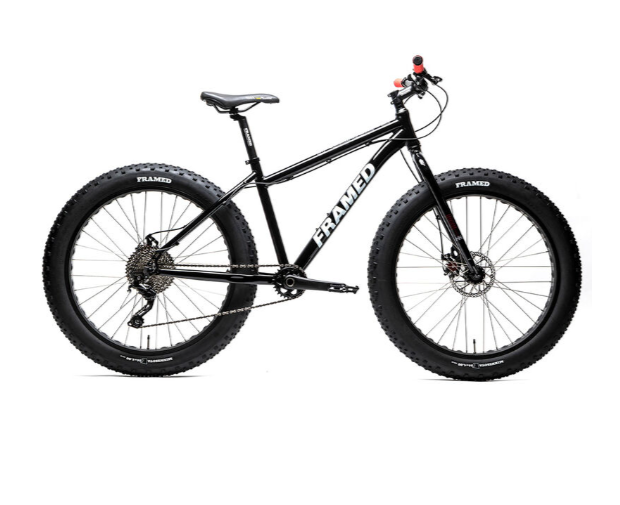
Framed Minnesota Fat Bike
- The fat bike that started it all, the Minnesota, got a facelift for 2020. We ditched the SRAM X5 1×9 drivetrain and upgraded to a Shimano Deore M6000 wide range 1×10 drivetrain. The precision of Shimano index shifting combined with a wide range 11-42 cassette and 28 tooth front chainring gives you all the gearing needed to climb up steep hills and punch it down the other side.
Discover the rugged world of fat tire cycling with Framed’s innovative designs that conquer every terrain, from snow-packed trails to sandy beaches
The cycling world has witnessed a remarkable revolution in recent years, and at the heart of this transformation lies an innovative category of bikes that has captured the imagination of adventurers everywhere: fat bikes. Among the leading manufacturers pushing the boundaries of what’s possible on two wheels, one name consistently stands out for its commitment to quality, innovation, and accessibility: Framed Fat Bikes. These robust machines have redefined what it means to explore the great outdoors on a bicycle, opening up previously inaccessible terrains and extending the cycling season far beyond traditional limitations.
The story of fat bikes begins with necessity, born from the creative minds of cyclists who refused to let harsh conditions keep them off their beloved trails. What started as modified mountain bikes with oversized tires has evolved into a sophisticated category of cycling equipment that challenges conventional wisdom about where and when you can ride. Framed Fat Bikes represent the pinnacle of this evolution, combining cutting-edge engineering with practical design to create machines that are as comfortable conquering snow-covered wilderness as they are rolling through desert sands.
Understanding the World of Framed Fat Bikes
What are Framed Fat Bikes? At their core, these remarkable machines are specialized bicycles designed to tackle the most challenging terrains that would stop conventional bikes in their tracks. The defining characteristic that sets Framed Fat Bikes apart is their exceptionally wide tires, typically measuring 3.8 to 5 inches in width, mounted on specially designed rims that can accommodate these massive rubber contact patches. This dramatic increase in tire width creates a significantly larger footprint, distributing the rider’s weight over a much broader area than traditional bicycle tires.
The engineering philosophy behind Framed Fat Bikes extends far beyond simply mounting bigger tires on a standard frame. Every aspect of these bikes has been carefully considered and optimized for the unique demands of fat tire cycling. The frames themselves feature wider bottom brackets, extended chainstays, and modified fork designs to accommodate the substantial tire clearance required. This isn’t merely an adaptation of existing technology; it’s a complete reimagining of bicycle design principles.
The geometry of Framed Fat Bikes reflects a deep understanding of how these machines will be used in real-world conditions. The longer wheelbase provides stability on loose surfaces, while the relaxed head tube angle offers confidence-inspiring handling when navigating technical terrain. The bottom bracket height is carefully calculated to provide adequate ground clearance while maintaining a comfortable riding position, even when the tires are run at very low pressures for maximum traction and flotation.
The Strategic Advantage of Framed’s Design Philosophy
Framed has distinguished itself in the fat bike market through a commitment to creating bikes that don’t just meet the basic requirements of fat tire cycling but exceed them in meaningful ways. The company’s approach to Framed Fat Bikes reflects years of research, testing, and refinement, resulting in machines that offer superior performance across a wide range of conditions and rider abilities.
One of the most impressive aspects of Framed Fat Bikes is their versatility. These aren’t single-purpose machines designed only for snow riding or beach cruising. Instead, they represent a new category of all-terrain vehicles that can handle everything from traditional mountain bike trails to conditions that would be impossible for conventional bikes to navigate. This versatility makes them particularly attractive to riders who want one bike that can handle multiple types of adventures throughout the year.
The attention to detail in Framed Fat Bikes extends to every component specification. The company carefully selects components that can withstand the unique stresses imposed by fat tire cycling, from robust drivetrains that can handle the increased rolling resistance to braking systems designed to provide consistent stopping power even in challenging conditions. This holistic approach to bike design ensures that every aspect of the riding experience has been optimized for performance and reliability.
Accessibility and Market Positioning
Where can I buy Framed Fat Bikes? The accessibility of these remarkable machines is one of Framed’s key strategic advantages. Unlike some specialty bicycle manufacturers that limit distribution to select dealers, Framed has developed a comprehensive distribution network that includes both traditional bike shops and online retailers. This multi-channel approach ensures that potential customers can access Framed Fat Bikes regardless of their location or preferred shopping method.
The company’s direct-to-consumer model has been particularly successful in making Framed Fat Bikes accessible to a broader audience. By selling directly through their online platform, Framed can offer competitive pricing while maintaining control over the customer experience from initial inquiry through post-purchase support. This approach has proven especially valuable for fat bike enthusiasts in areas where local bike shops may not have extensive fat bike expertise or inventory.
Traditional bike retailers also play a crucial role in Framed’s distribution strategy. Many experienced cyclists prefer to see and test ride bikes before making a purchase, particularly when investing in a specialized machine like a fat bike. Framed’s network of authorized dealers provides this hands-on experience while ensuring that customers receive proper fitting and setup guidance from knowledgeable professionals.
Investment Considerations and Value Proposition
How much do Framed Fat Bikes cost? The pricing structure for these machines reflects the company’s commitment to making fat bike technology accessible to a wide range of cyclists. Entry-level Framed Fat Bikes typically start in the range that makes them competitive with quality mountain bikes, while still delivering the specialized performance characteristics that define the fat bike category.
The value proposition of Framed Fat Bikes becomes particularly compelling when you consider the cost per riding day over the bike’s lifetime. Unlike traditional bikes that may be limited by seasonal weather conditions or terrain restrictions, these machines can be used year-round in virtually any conditions. This extended usability means that the cost per ride can actually be lower than more expensive bikes that see limited use due to seasonal or terrain constraints.
Mid-range Framed Fat Bikes offer significant upgrades in components and features while maintaining reasonable pricing that appeals to serious enthusiasts who want enhanced performance without entering the premium price category. These models typically feature improved drivetrains, better suspension components, and higher-quality wheels and tires that enhance both performance and durability.
Premium Framed Fat Bikes represent the pinnacle of the company’s engineering and design capabilities. These top-tier machines feature the latest in fat bike technology, including advanced frame materials, high-end component specifications, and innovative features that push the boundaries of what’s possible in fat bike design. While these models command higher prices, they deliver performance and capabilities that justify the investment for serious riders who demand the absolute best.
Beginner-Friendly Design and Learning Curve
Are Framed Fat Bikes good for beginners? This question touches on one of the most appealing aspects of fat bike cycling and Framed Fat Bikes in particular. The inherent stability provided by the wide tires and longer wheelbase actually makes these bikes more forgiving for novice riders than traditional mountain bikes in many situations. The increased contact patch provides more traction and stability, which can boost confidence for riders who are still developing their technical skills.
The forgiving nature of Framed Fat Bikes extends beyond just the basic riding experience. When learning to navigate technical terrain, the wider tires provide a safety margin that can help prevent crashes and build confidence. The ability to run very low tire pressures means that small obstacles that might catch a narrow tire become much less threatening, allowing new riders to focus on developing their skills rather than worrying about every root and rock on the trail.
Framed Fat Bikes also excel as learning platforms because they encourage proper riding technique. The increased rolling resistance teaches riders to maintain momentum and choose their lines carefully, skills that translate well to all forms of cycling. The need to manage the bike’s weight and momentum develops a more nuanced understanding of bicycle dynamics that benefits riders regardless of what type of bike they eventually choose to ride most frequently.
The comfort factor of Framed Fat Bikes cannot be overlooked when considering their suitability for beginners. The large tires act as natural suspension, absorbing impacts and vibrations that would be transmitted directly to the rider on a rigid bike with narrow tires. This improved comfort means longer rides with less fatigue, allowing new riders to build their endurance and skills gradually without being overwhelmed by discomfort.
Performance Benefits and Riding Experience
What are the benefits of riding a Framed Fat Bike? The advantages of these specialized machines extend far beyond their obvious capability in snow and sand. The unique characteristics of Framed Fat Bikes create a riding experience that offers benefits even on traditional surfaces where conventional bikes would seem more appropriate.
The most immediately apparent benefit is the incredible traction provided by the wide tire contact patch. This enhanced grip translates to increased confidence in all conditions, from wet roots and rocks to loose gravel and dirt. Riders often report that they can tackle climbs and technical sections on Framed Fat Bikes that would be impossible on their regular mountain bikes, simply due to the superior traction available.
The comfort benefits of Framed Fat Bikes become particularly apparent on longer rides. The natural suspension effect of the large tires running at low pressures absorbs trail chatter and impacts that would cause fatigue on harder-tired bikes. This comfort advantage allows riders to extend their adventures and explore terrain that might be uncomfortable on other types of bikes.
Framed Fat Bikes also offer psychological benefits that shouldn’t be underestimated. The confidence that comes from knowing your bike can handle virtually any terrain you encounter allows riders to explore new areas and push their boundaries in ways they might not with more specialized equipment. This expanded capability often leads to more adventurous riding and the discovery of new favorite trails and destinations.
The year-round capability of Framed Fat Bikes represents perhaps their greatest benefit for many riders. While other bikes might be stored away during winter months or avoided during muddy conditions, these machines thrive in challenging weather and terrain. This extended usability means more time on the bike and better fitness maintenance throughout the year.
Materials Science and Construction Excellence
What materials are Framed Fat Bikes made of? The construction of these specialized machines represents a fascinating intersection of materials science, engineering, and practical cycling needs. Framed has approached material selection with a focus on creating the optimal balance of strength, weight, durability, and cost-effectiveness that defines modern bicycle manufacturing.
The frame materials used in Framed Fat Bikes span the full spectrum of modern bicycle construction techniques. Entry-level models typically feature high-quality steel construction that provides excellent durability and ride quality at an accessible price point. Steel’s natural flexibility and fatigue resistance make it particularly well-suited to fat bike applications, where the frame must accommodate the unique stresses imposed by wide tires and varied terrain.
Aluminum construction features prominently in Framed’s mid-range offerings, providing significant weight savings while maintaining the strength and stiffness required for fat bike performance. The aluminum used in Framed Fat Bikes is carefully selected and shaped to optimize the strength-to-weight ratio while ensuring that the frame can handle the increased leverage forces created by the wider tires and different riding positions typical of fat bike use.
Carbon fiber technology represents the cutting edge of Framed Fat Bikes construction, offering the ultimate in weight savings and performance optimization. Carbon fiber’s ability to be shaped and tuned for specific performance characteristics allows Framed’s engineers to create frames that are not only lighter than metal alternatives but also optimized for the unique demands of fat bike riding. The vibration-damping properties of carbon fiber complement the natural suspension characteristics of fat tires, creating an exceptionally smooth and comfortable ride quality.
Popular Models and Market Leaders
What are the most popular models of Framed Fat Bikes? The company’s lineup represents a carefully curated selection of machines designed to meet the diverse needs of fat bike enthusiasts. Each model in the Framed Fat Bikes range has been developed with specific use cases and rider preferences in mind, creating a comprehensive offering that covers everything from entry-level exploration to high-performance racing.
The entry-level models in the Framed Fat Bikes lineup focus on delivering essential fat bike capabilities at accessible prices. These bikes typically feature robust steel or aluminum frames, reliable component specifications, and the proven geometry that makes fat bikes so appealing. Despite their entry-level positioning, these models don’t compromise on the core characteristics that define the fat bike experience, ensuring that new riders get a true taste of what makes these machines special.
Mid-range Framed Fat Bikes represent the sweet spot for many enthusiasts, offering significant upgrades in performance and features while maintaining reasonable pricing. These models typically feature improved component specifications, better wheel and tire combinations, and enhanced frame designs that deliver noticeable performance improvements over entry-level options. The attention to detail in these models reflects Framed’s understanding of what serious riders want from their fat bikes.
The flagship models in the Framed Fat Bikes range showcase the company’s commitment to pushing the boundaries of fat bike performance. These premium machines feature the latest in materials technology, component specifications, and design innovations. While they command higher prices, they deliver performance capabilities that justify the investment for riders who demand the absolute best in fat bike technology.
Terrain Mastery and Seasonal Versatility
Are Framed Fat Bikes suitable for snow or sand riding? This question goes to the heart of what makes fat bikes unique and highlights the specific design advantages that Framed Fat Bikes bring to challenging terrain. The answer is not just a simple yes; it’s an emphatic endorsement of how these machines excel in conditions that would stop conventional bikes entirely.
Snow riding represents perhaps the most dramatic demonstration of fat bike capabilities. Framed Fat Bikes transform winter from a cycling dead season into an extended adventure opportunity. The wide tires, when run at low pressures, create a snowshoe-like effect that allows the bike to float over snow rather than sinking into it. This flotation capability means that packed snow trails become accessible, and even softer snow conditions can be navigated with proper technique and tire pressure adjustment.
The engineering of Framed Fat Bikes specifically addresses the challenges of snow riding. The frame geometry provides stability in loose conditions, while the component specifications are chosen to withstand the harsh conditions associated with winter riding. Many models feature sealed bearings and corrosion-resistant components that can handle exposure to snow, salt, and moisture without compromising performance or longevity.
Sand riding presents a different but equally challenging set of demands that Framed Fat Bikes handle with impressive capability. Beach riding, desert exploration, and coastal trail adventures become possible with the flotation and traction provided by fat tires. The wide contact patch distributes weight effectively over soft sand, while the ability to run very low tire pressures maximizes the tire’s footprint for optimal flotation.
The versatility of Framed Fat Bikes in challenging terrain extends beyond just snow and sand. Muddy conditions that would bog down conventional bikes become manageable, rocky terrain becomes more comfortable, and loose surfaces provide more traction. This all-terrain capability makes these bikes particularly appealing to adventure riders who want one machine that can handle whatever conditions they encounter.
Competitive Analysis and Market Position
How do Framed Fat Bikes compare to other fat bike brands? Understanding Framed’s position in the competitive landscape requires examining not just specifications and features, but also philosophy, value proposition, and market approach. Framed Fat Bikes have carved out a distinctive niche that balances performance, accessibility, and innovation in ways that set them apart from both premium boutique manufacturers and mass-market competitors.
In terms of pure performance capabilities, Framed Fat Bikes consistently compete with and often exceed bikes costing significantly more from other manufacturers. The company’s focus on optimizing the entire riding experience rather than just individual components means that these bikes often feel more refined and capable than their specifications might suggest. This holistic approach to bike design creates machines that are greater than the sum of their parts.
The value proposition of Framed Fat Bikes becomes particularly compelling when compared to premium competitors. While boutique manufacturers may offer marginal performance advantages in specific areas, the cost difference often cannot be justified by the performance gap. Framed’s approach focuses on delivering the maximum performance benefit for each dollar invested, creating bikes that provide exceptional capability without the premium pricing that puts high-end fat bikes out of reach for many riders.
When compared to mass-market competitors, Framed Fat Bikes typically offer superior attention to detail, better component integration, and more thoughtful design. The company’s focus specifically on fat bike technology means that their bikes benefit from specialized knowledge and experience that generalist manufacturers may lack. This specialization shows in details like frame geometry optimization, component selection, and the overall riding experience.
Technical Specifications and Performance Metrics
What tire sizes are available for Framed Fat Bikes? The tire size options available for these machines reflect the diversity of riding conditions and preferences within the fat bike community. Framed Fat Bikes are designed to accommodate a range of tire sizes, allowing riders to optimize their setup for specific conditions and riding styles.
The most common tire sizes for Framed Fat Bikes range from 3.8 inches to 5 inches in width, with various diameter options typically including 26-inch, 27.5-inch, and 29-inch wheels. This variety allows riders to choose the combination that best suits their intended use, riding style, and personal preferences. Narrower tires in the 3.8-inch range offer reduced rolling resistance and better acceleration, making them ideal for riders who plan to use their fat bikes on more traditional trail systems or in conditions where maximum flotation isn’t required.
Mid-range tire sizes around 4.0 to 4.5 inches provide an excellent balance of flotation capability and rolling efficiency. These sizes work well for riders who want one tire setup that can handle a variety of conditions throughout the year. They provide sufficient flotation for snow and sand riding while remaining manageable for summer trail riding and transportation cycling.
The widest tire options available for Framed Fat Bikes maximize flotation and traction in the most challenging conditions. These 4.8 to 5-inch tires excel in deep snow, soft sand, and extremely loose terrain where maximum surface contact is crucial. While they do impose some rolling resistance penalty, the capability they provide in extreme conditions makes them worthwhile for riders who regularly encounter these challenging surfaces.
Weight Considerations and Handling Characteristics
How much does a Framed Fat Bike weigh? Weight is a critical consideration for any bicycle, but fat bikes present unique challenges and tradeoffs that make simple weight comparisons less meaningful than they might be for other types of bikes. Framed Fat Bikes approach weight optimization with a realistic understanding of how these machines will be used and what performance characteristics matter most to riders.
Entry-level Framed Fat Bikes typically weigh between 30 and 35 pounds, which reflects the robust construction and wide tires that define the category. While this is significantly heavier than traditional mountain bikes, it’s important to consider this weight in context. The additional weight comes primarily from the wider tires, stronger wheels, and more robust frame construction that enables the bike’s unique capabilities.
Mid-range Framed Fat Bikes often achieve weight reductions through improved frame materials and component specifications, typically ranging from 28 to 32 pounds. These weight savings become noticeable during climbs and when maneuvering the bike, but the improvements come without sacrificing the durability and capability that define fat bike performance.
Premium Framed Fat Bikes utilizing advanced materials and high-end components can achieve weights in the mid-20-pound range while maintaining full fat bike capability. These weight reductions represent significant engineering achievements, as they maintain strength and durability while dramatically improving handling and acceleration characteristics.
The handling characteristics of Framed Fat Bikes are influenced by more than just total weight. The distribution of weight, wheelbase length, and center of gravity all play crucial roles in how these bikes feel and perform. Framed’s engineers have optimized these factors to create bikes that feel stable and confidence-inspiring despite their substantial weight, particularly in the challenging conditions where fat bikes excel.
Durability and Trail Performance
Are Framed Fat Bikes durable for off-road trails? Durability represents one of the core strengths of these machines and reflects the company’s understanding that fat bike riders often push their equipment to extremes that would challenge conventional bikes. Framed Fat Bikes are engineered from the ground up to withstand the unique stresses and conditions associated with aggressive off-road riding and challenging terrain.
The frame construction of Framed Fat Bikes incorporates design elements specifically chosen for durability in demanding conditions. Reinforced stress points, robust joint construction, and materials selection all contribute to frames that can handle the increased leverage forces created by wide tires and the impacts associated with aggressive trail riding. The company’s testing protocols simulate years of hard use to ensure that frames will withstand real-world abuse.
Component durability receives equal attention in Framed Fat Bikes, with specifications chosen specifically for their ability to withstand the demands of fat bike riding. Drivetrain components are selected for their ability to handle the increased chain loads created by wide tires and varied terrain, while wheel and hub specifications account for the unique forces imposed by fat bike wheels and tires.
The real-world durability of Framed Fat Bikes has been proven through years of use by riders who push these machines in the most demanding conditions imaginable. From Arctic expeditions to desert crossings, these bikes have demonstrated their ability to continue performing when conventional equipment would fail. This proven durability makes them particularly appealing to riders who plan to use their bikes for serious adventures where equipment failure could have serious consequences.
Warranty Protection and Customer Support
What is the warranty on Framed Fat Bikes? The warranty coverage provided with these machines reflects the company’s confidence in their construction quality and long-term durability. Framed Fat Bikes typically come with comprehensive warranty coverage that protects buyers against manufacturing defects and premature failure of key components.
The frame warranty on Framed Fat Bikes usually provides coverage for several years, reflecting the company’s confidence in their construction quality and materials. This coverage protects against manufacturing defects, material failures, and workmanship issues that might affect the frame’s structural integrity or performance. The warranty terms are typically straightforward and customer-friendly, avoiding the complex exclusions and limitations that can make some warranties effectively meaningless.
Component warranties vary depending on the specific parts and manufacturers involved, but Framed works to ensure that customers receive appropriate coverage for all major components. This comprehensive approach to warranty coverage means that buyers can purchase with confidence, knowing that their investment is protected against unexpected failures or defects.
The customer support infrastructure behind Framed Fat Bikes warranties is designed to make the claims process as straightforward as possible. The company maintains responsive customer service channels and works with their dealer network to ensure that warranty issues are resolved quickly and fairly. This commitment to customer service extends beyond just warranty claims to include technical support, maintenance guidance, and general customer assistance.
Year-Round Riding Capabilities
Can Framed Fat Bikes be used for year-round riding? This question addresses one of the most compelling aspects of fat bike ownership and highlights a key advantage that Framed Fat Bikes offer over more specialized equipment. The answer reveals how these machines can transform cycling from a seasonal activity into a true year-round passion.
The winter capabilities of Framed Fat Bikes are perhaps their most famous feature, but they represent just one aspect of their year-round utility. These bikes excel in snow conditions that would stop conventional bikes entirely, opening up winter trail networks and creating opportunities for cold-weather adventures that simply aren’t possible with other types of bicycles. The traction and flotation provided by fat tires make winter riding not just possible but genuinely enjoyable.
Spring conditions often present their own challenges, with muddy trails, puddles, and variable surface conditions that can make traditional mountain bike riding unpleasant or damaging to trail systems. Framed Fat Bikes handle these conditions with aplomb, providing the traction and flotation needed to navigate muddy conditions while causing less trail damage due to their wider contact patch and lower ground pressure.
Summer riding on Framed Fat Bikes might seem counterintuitive, but these machines offer unique advantages even in ideal conditions. The comfort provided by the natural suspension of fat tires makes long rides more enjoyable, while the superior traction can open up technical trail sections that might be challenging on conventional bikes. The psychological benefit of knowing your bike can handle anything the trail presents creates a confidence that enhances the entire riding experience.
Fall conditions often combine elements from all other seasons, with leaf-covered trails hiding obstacles, variable weather creating mixed conditions, and shorter days requiring reliable equipment. Framed Fat Bikes handle these varied conditions exceptionally well, providing the versatility needed to continue riding as conditions change throughout the season.
Size Options and Accessibility
Are Framed Fat Bikes available for kids or smaller riders? The inclusivity of the fat bike experience is something that Framed takes seriously, understanding that the joy and capability of fat bike riding shouldn’t be limited by rider size or age. Framed Fat Bikes are available in size ranges that accommodate a wide variety of riders, ensuring that the benefits of fat bike technology are accessible to the entire cycling community.
The sizing approach for Framed Fat Bikes takes into account the unique geometry requirements of fat bike design while ensuring that riders of different heights and proportions can find a bike that fits properly. Proper fit is particularly important for fat bikes, as the different riding positions and handling characteristics mean that traditional sizing rules don’t always apply directly.
Smaller riders benefit significantly from the confidence-inspiring characteristics of Framed Fat Bikes. The stability provided by wide tires and longer wheelbase can be particularly valuable for riders who might feel overwhelmed by the quick handling and narrow contact patch of traditional mountain bikes. The natural suspension and comfort of fat tires also help smaller riders enjoy longer adventures without the fatigue that might come from harder-tired bikes.
Youth-specific Framed Fat Bikes incorporate design elements that account for the different needs and capabilities of younger riders. These might include lower standover heights, adjusted reach measurements, and component specifications that are appropriate for smaller hands and different strength levels. The goal is to provide young riders with a true fat bike experience rather than a compromised adult bike that’s simply smaller.
Electric Fat Bike Innovation
Does Framed offer electric fat bike options? The intersection of fat bike technology and electric assistance represents one of the most exciting developments in modern cycling, and Framed Fat Bikes has embraced this evolution with characteristic thoughtfulness and innovation. Electric fat bikes, or e-fat bikes, combine the terrain capability of fat tires with the extended range and climbing assistance of electric motors.
The electric Framed Fat Bikes approach e-bike technology with a focus on enhancing rather than replacing the fundamental fat bike experience. The electric assistance is designed to extend range, reduce fatigue, and open up new possibilities rather than fundamentally changing the character of the bike. This philosophy results in e-fat bikes that still feel like fat bikes while offering the additional capabilities that electric assistance provides.
The motor and battery integration in electric Framed Fat Bikes is carefully designed to maintain the bike’s balance and handling characteristics. The added weight of electric components is distributed strategically to preserve the stability and confidence-inspiring handling that makes fat bikes special. The result is electric assistance that enhances capability without compromising the core fat bike experience.
Range considerations become particularly important for electric Framed Fat Bikes, as these machines are often used for extended adventures in remote locations where charging opportunities may be limited. The battery capacity and motor efficiency are optimized to provide meaningful assistance over realistic ride distances while keeping weight and complexity reasonable.
The charging and maintenance requirements of electric Framed Fat Bikes are designed with real-world use in mind. The systems are robust enough to handle the demanding conditions where fat bikes excel, while remaining user-friendly for riders who want to focus on adventures rather than technical complexity.
Maintenance and Long-Term Care
How do I maintain and care for a Framed Fat Bike? Proper maintenance is crucial for ensuring that these capable machines continue to perform at their best throughout years of adventures. Framed Fat Bikes are designed to be maintainable by riders with basic mechanical skills, while also being robust enough to withstand the demanding conditions where they excel.
The maintenance requirements for Framed Fat Bikes share many similarities with conventional mountain bikes, but there are specific considerations related to the unique aspects of fat bike design. The wider tires require attention to pressure management, as the large air volume means that small pressure changes can have significant effects on performance and handling. Regular pressure checks and adjustments become part of the routine maintenance that ensures optimal performance.
Drivetrain maintenance on Framed Fat Bikes requires attention to the increased loads and different chain angles that result from the wider frame and different wheel positions. Chain alignment, derailleur adjustment, and component wear patterns may differ from conventional bikes, requiring slightly modified maintenance approaches. The good news is that the robust component specifications typically used in fat bikes mean that maintenance intervals are often longer than with lighter-duty equipment.
Wheel and tire maintenance represents a unique aspect of Framed Fat Bikes care. The larger air volumes and lower pressures mean that tire repair techniques may need to be adapted, while the wider rims and different spoke patterns require specific knowledge for wheel maintenance and repair. Understanding these differences helps ensure that maintenance efforts are effective and that problems are addressed before they become serious issues.
Seasonal maintenance considerations become particularly important for Framed Fat Bikes given their year-round utility. Exposure to snow, salt, mud, and varied conditions means that regular cleaning and inspection become crucial for preventing corrosion and wear. The company provides detailed maintenance guidance that addresses these seasonal concerns and helps riders keep their bikes performing optimally regardless of conditions.
Community Feedback and Real-World Performance
Are there any reviews for Framed Fat Bikes? The cycling community’s response to these machines provides valuable insight into their real-world performance and reliability. Framed Fat Bikes have generated extensive feedback from riders across all experience levels and riding styles, creating a comprehensive picture of how these bikes perform in actual use.
Professional reviews of Framed Fat Bikes consistently praise their value proposition, noting how they deliver performance that competes with much more expensive alternatives. Reviewers regularly comment on the thoughtful design details, component integration, and overall riding experience that these bikes provide. The consistency of positive professional feedback reflects the genuine quality and capability that Framed builds into their machines.
User reviews and community feedback reveal the long-term satisfaction that Framed Fat Bikes provide to their owners. Riders consistently report that these bikes exceed their expectations, particularly in terms of versatility and year-round capability. The common theme in user feedback is surprise at how much these bikes expand riding opportunities and how much they enhance the overall cycling experience.
Racing and competitive feedback provides another perspective on Framed Fat Bikes performance. While fat bikes are often thought of primarily as recreational machines, they have developed their own competitive scene, and Framed Fat Bikes have proven competitive in various racing formats. This competitive success validates the performance capabilities of these machines and demonstrates that they can perform at the highest levels of the sport.
Long-term ownership reports provide perhaps the most valuable feedback about Framed Fat Bikes. Riders who have owned their bikes for multiple years consistently report satisfaction with durability, reliability, and continued performance. The bikes age well, maintain their capabilities over time, and continue to provide the adventure opportunities that initially attracted their owners.
Accessory Integration and Customization
What accessories are compatible with Framed Fat Bikes? The ability to customize and accessorize these machines reflects their versatility and the diverse ways that riders use them. Framed Fat Bikes are designed with mounting points and compatibility features that allow extensive customization for specific riding styles and adventure requirements.
Cargo carrying capabilities represent one of the most popular accessory categories for Framed Fat Bikes. The robust frame construction and stable handling characteristics make these bikes excellent platforms for carrying gear, whether for day trips, multi-day adventures, or utilitarian transportation. Rack systems, panniers, and frame bags can transform a Framed Fat Bike into a capable adventure touring machine.
Lighting systems become particularly important for Framed Fat Bikes given their year-round utility and the shorter days of winter riding. The bikes typically feature mounting points and routing options for permanent lighting installations, while also accommodating removable systems for riders who prefer flexibility. The stable platform and confident handling make these bikes particularly well-suited to night riding adventures.
Fender and mudguard compatibility addresses the reality that Framed Fat Bikes are often used in wet and muddy conditions where protection from spray becomes important. The wide tire clearances that define fat bikes require specialized fenders, but properly fitted systems can dramatically improve comfort in challenging conditions.
Suspension accessories and modifications allow riders to further enhance the comfort and capability of their Framed Fat Bikes. While the natural suspension of fat tires provides significant comfort, adding front suspension or adjustable components can further optimize the bike for specific riding styles or conditions.
Value Optimization and Smart Purchasing
Are there any discounts or sales on Framed Fat Bikes? Understanding the purchasing landscape for these machines helps potential buyers make informed decisions about when and how to invest in Framed Fat Bikes. The company’s approach to pricing and sales reflects their commitment to providing value while maintaining the quality and support that customers expect.
Seasonal sales patterns often provide opportunities for savings on Framed Fat Bikes, particularly during transitions between model years or at the end of winter when demand typically decreases. These sales periods can provide significant savings for buyers who are flexible about timing their purchase and model selection.
The direct-to-consumer model that Framed employs for many of their sales creates opportunities for better pricing than traditional retail markups might allow. This approach enables the company to offer competitive pricing while maintaining the margins necessary to support quality construction, customer service, and ongoing development.
Bundle deals and package pricing often provide additional value for buyers who need complete setups including accessories, maintenance items, or upgraded components. These packages can offer significant savings compared to purchasing items separately while ensuring compatibility and optimal performance.
The resale value of Framed Fat Bikes remains strong due to their reputation for quality and durability. This strong resale market provides confidence for buyers that their investment will retain value over time, making the initial purchase decision easier and providing flexibility for future upgrades or changes.
The Future of Fat Bike Adventure
The evolution of Framed Fat Bikes continues to push the boundaries of what’s possible on two wheels, opening up new frontiers for cycling adventures and extending the possibilities of bicycle transportation. These remarkable machines represent more than just a specialized category of bikes; they embody a philosophy that refuses to accept limitations and consistently seeks to expand the horizons of cycling possibility.
The impact of Framed Fat Bikes on the cycling community extends far beyond their immediate users. By demonstrating what’s possible when conventional limitations are challenged, these bikes have inspired innovations across the entire cycling industry. The confidence and capability they provide to riders of all skill levels creates a positive feedback loop that encourages exploration, adventure, and the development of new riding skills.
As technology continues to evolve and materials science advances, the future of Framed Fat Bikes promises even greater capabilities and accessibility. The fundamental principles that make these bikes special – versatility, confidence, and year-round utility – will continue to drive development while maintaining the core characteristics that define the fat bike experience.
The cycling world is richer for the existence of Framed Fat Bikes and the adventures they enable. Whether conquering snow-covered trails, exploring sandy beaches, or simply enjoying the confidence and comfort they provide on traditional trails, these remarkable machines continue to redefine what it means to explore the world on two wheels. The revolution they represent is far from over, and the adventures they enable are limited only by the imagination and ambition of their riders.
In a world where specialization often means limitation, Framed Fat Bikes stand as testament to the power of versatility and the joy of machines that expand rather than constrain our possibilities. They remind us that the best adventures often begin when we venture beyond the boundaries of what we thought was possible, and they provide the confidence and capability needed to turn those adventures into reality.